FAQ
Uncertain of the "Who", "What", "Where", "Why", and "How" of Music Licensing?
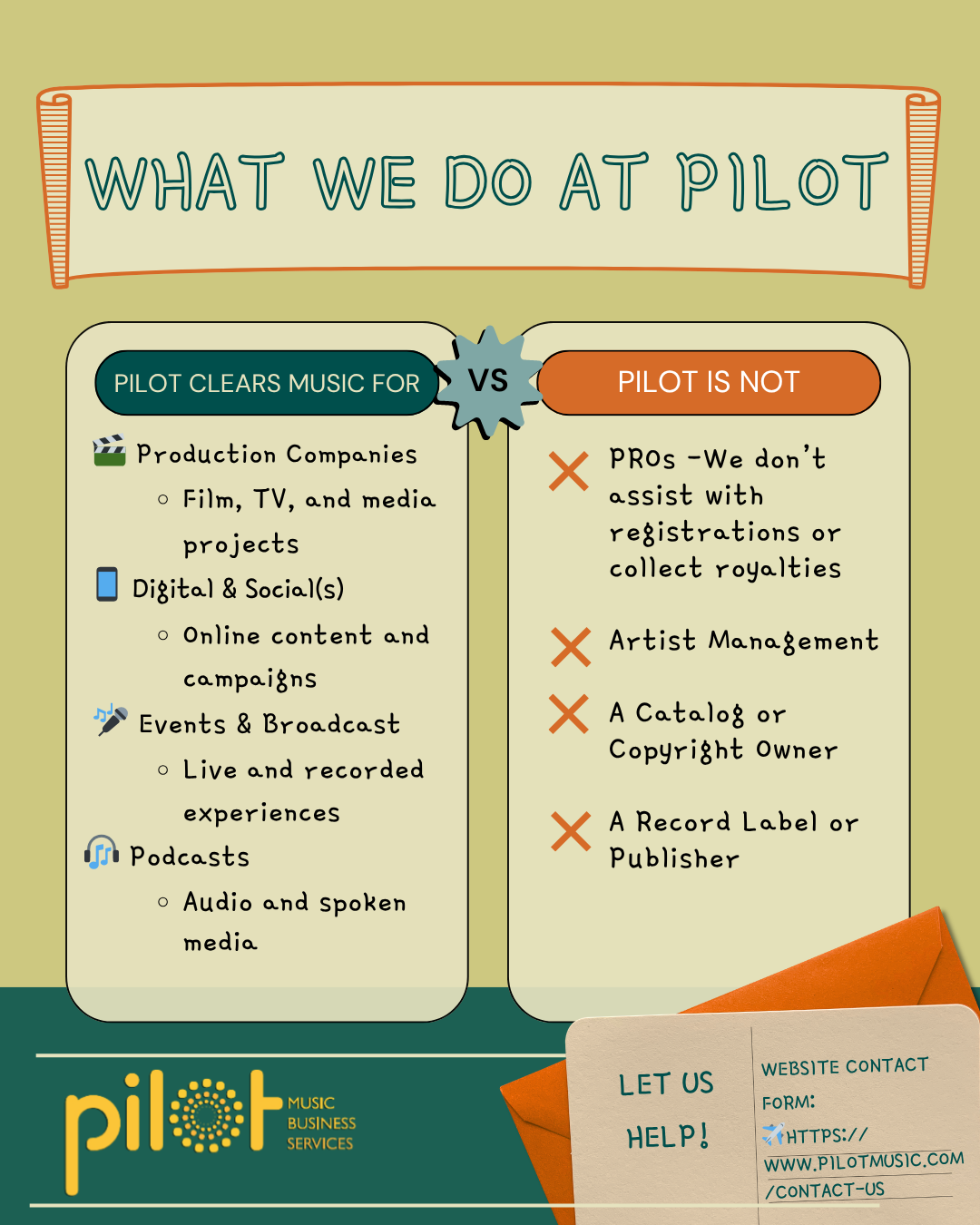
Sync licensing has many intricacies, so save yourself time and money by working with our Pilot professionals! Learn more about music licensing and our services in our FAQ!
What are music licenses?
Music licenses are agreements between you, the 'licensee', "typically" the owners of musical compositions (publishers) and/or recordings (record labels) who are collectively known as 'licensors'. These licenses can take many forms, most commonly as synchronization, mechanical, and performance.
When do you need to get a music license?
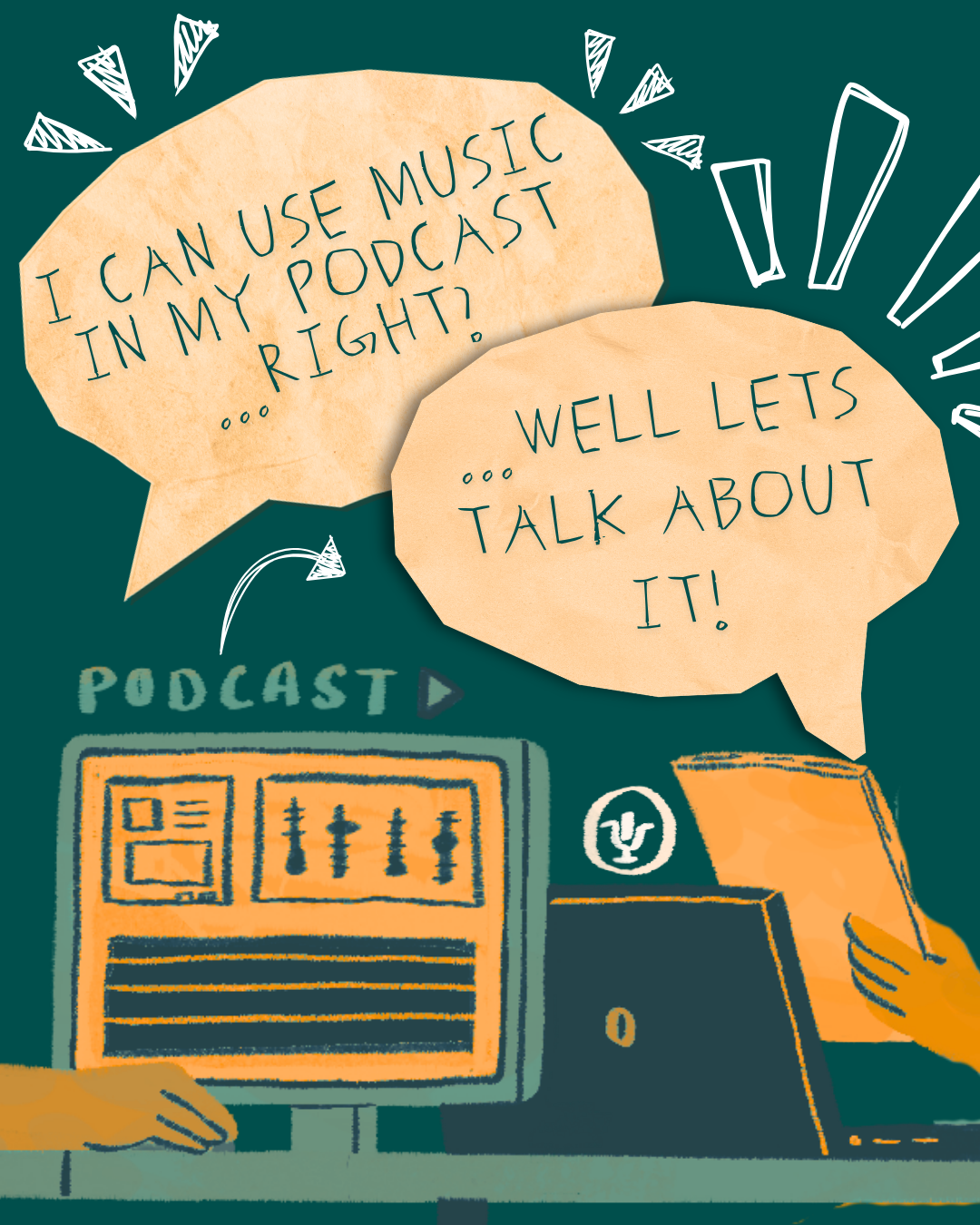
If you are using a musical work in your production (IE podcasts, video games, web series, trailers, etc.) then getting a music license would be in your best interest. Click HERE to get started
Why should you bother?
Owners of musical works, 'licensors', take unauthorized uses of their assets very seriously. Usage without prerequisite approvals can result in increased fees for damages or, potentially, a lawsuit.
Who do you need to talk to for a music license?
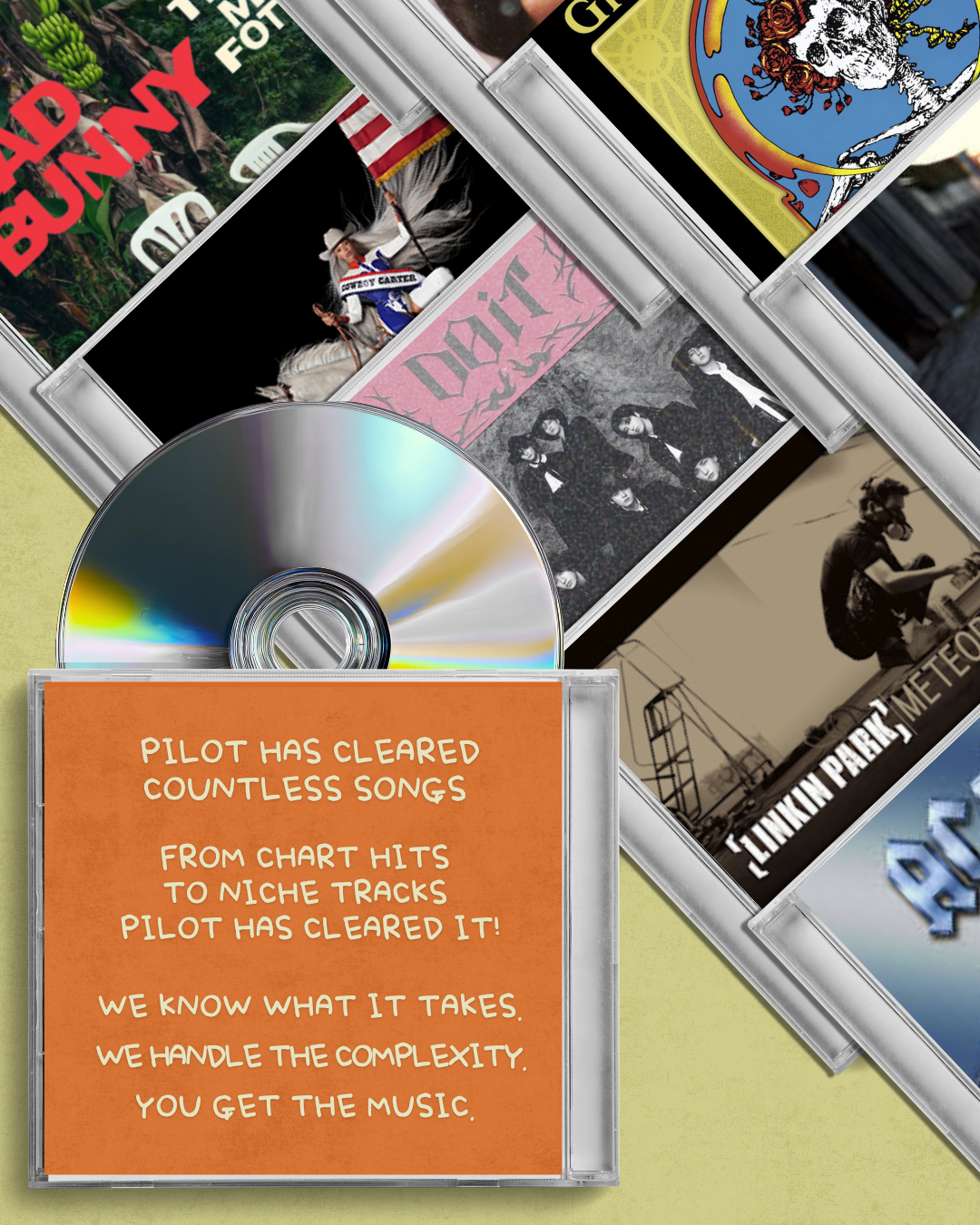
To decipher who owns certain musical works, Pilot does extensive research into copyright ownership. This process can be time-consuming and unproductive if you do not know where to look and is just the start of the process. Getting answers and approvals from publishers and record labels can take months to a year, yet using Pilot the process is accelerated.
How does Pilot make this process easier?
We compile over fifteen categories of essential terms that are artfully crafted into request letters to form the basis of negotiation for your request. We are in constant contact with the approval parties and key decision-makers in the Music Industry, leading to prompt responses and approvals. Once approvals have been met, we draft, distribute, proof, and exchange payments and licenses to make sure everything is wrapped-up efficiently/correctly for all involved.
Where should you start?
The best way to start is to submit a contact form HERE so we can go over your needs and figure out the best way to help you!
What is the difference between a sync license and a master use license?
A sync license covers the right to use the underlying musical composition — owned by the publisher — while a master use license covers the specific recorded version of that song, typically held by a record label. Both licenses are required to legally use a song in a film, TV show, or video production, and they must be negotiated separately.When do I need a music clearance agency instead of a subscription library for my film?
Subscription music platforms only include tracks that have been pre-cleared within their catalog, so they work well for original or independent music. Any recognizable commercial recording requires direct, case-by-case negotiation with both the publisher and the label — that is exactly where a dedicated music clearance service handles the process on your behalf.What's the best music licensing service for getting rights clearance for a film production?
The right service for film rights clearance is one that handles both sync and master use licensing, since both are legally required to use a commercial song in a production. Pilot's Music Clearance service manages direct negotiation with publishers and labels, covering the full clearance process so your production stays legally protected from the start.